Finding stable employment is a priority for many South Africans, especially for individuals seeking entry-level opportunities with long-term security. One of the most accessible pathways into the public sector is through government cleaner vacancies in South Africa. These positions play a vital role in maintaining clean, safe, and functional public spaces while offering employees dependable income, benefits, and opportunities for growth.
Thank you for reading this post, don't forget to subscribe!This comprehensive guide is designed to help job seekers understand government cleaner jobs in South Africa, including requirements, duties, benefits, the application process, work environments, and career progression. Whether you are entering the workforce for the first time or looking for a more secure job, this article provides clear and reliable information to help you make informed decisions.
Overview of Government Cleaner Jobs in South Africa
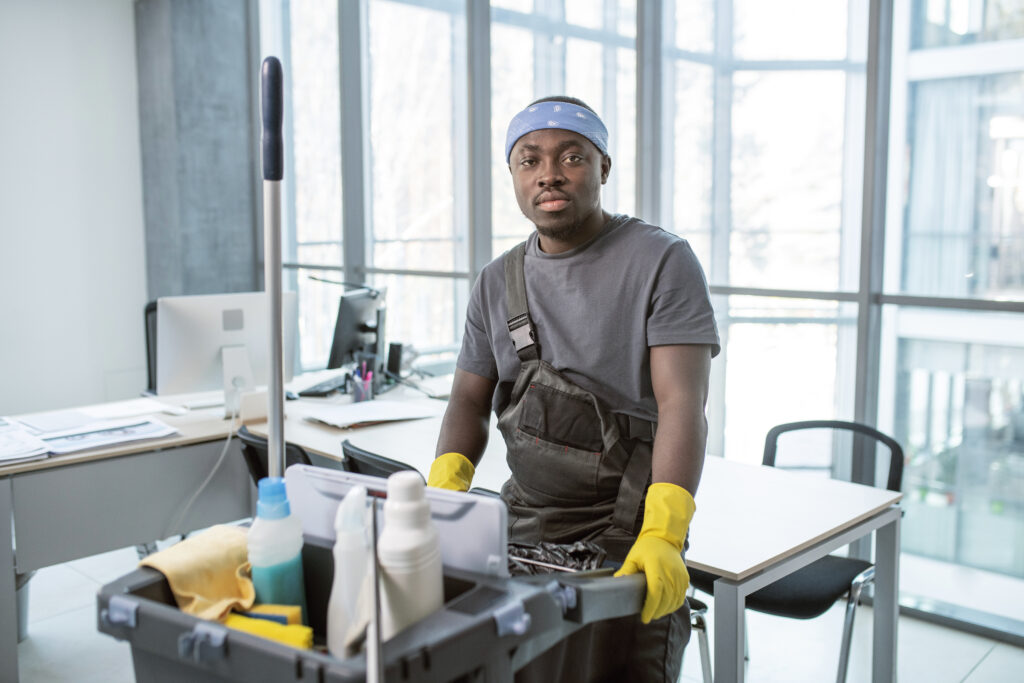
Government cleaner vacancies in South Africa are typically entry-level positions available across national, provincial, and local government departments. Cleaners are employed in facilities such as public hospitals, clinics, schools, universities, municipal offices, courts, police stations, and community centres.
These roles are essential to public service delivery. Clean environments reduce health risks, improve productivity, and ensure compliance with occupational health and safety standards. Government cleaners are not only responsible for appearance but also contribute directly to public health and safety.
Most government cleaning positions are structured, regulated, and supported by clear policies. Employees receive training, work within defined schedules, and are protected by labour laws applicable to public servants.
Minimum Requirements for Government Cleaner Vacancies
Government cleaner vacancies in South Africa are designed to be accessible to a wide range of applicants. While requirements may vary slightly depending on the department, most positions include the following:
Educational Requirements
- A Grade 12 (Matric) certificate is usually required
- Some departments may accept an equivalent qualification
Experience
- No previous experience is required for most cleaner positions
- This makes the role suitable for first-time job seekers
Skills and Abilities
Applicants should demonstrate:
- Basic reading, writing, and numeracy skills
- Good communication and listening skills
- Ability to follow instructions and safety procedures
- Physical fitness and willingness to perform manual work
- Ability to work independently and as part of a team
- Basic understanding of hygiene and cleanliness standards
Government departments promote equal opportunity employment and actively encourage applications from women, youth, and people living with disabilities.
Core Duties and Responsibilities of Government Cleaners
Government cleaners perform a range of daily tasks that ensure facilities remain clean, hygienic, and presentable. Typical responsibilities include:
- Sweeping, mopping, and polishing floors
- Cleaning walls, windows, doors, and furniture
- Sanitising bathrooms, kitchens, and high-traffic areas
- Emptying bins and disposing of waste correctly
- Operating cleaning equipment such as vacuum cleaners and floor polishers
- Using cleaning chemicals safely and according to instructions
- Wearing protective clothing as required
- Reporting maintenance issues or safety hazards to supervisors
- Assisting with additional cleaning duties when required
Cleaners may rotate between areas and work different shifts depending on the operational needs of the facility.
Benefits of Working as a Government Cleaner
Choosing to apply for government cleaner vacancies in South Africa offers several advantages compared to many private-sector cleaning jobs.
Job Security
Government employment provides greater stability, with clear contracts and labour protections.
Competitive Remuneration
While salaries differ by department and province, government cleaners receive structured pay scales and regular increases.
Employee Benefits
Most positions include:
- Pension or retirement fund contributions
- Medical aid or healthcare benefits
- Paid annual leave, sick leave, and public holidays
Training and Skills Development
Employees often receive on-the-job training in:
- Cleaning techniques
- Occupational health and safety
- Equipment handling
Career Growth
Government departments encourage internal promotions, allowing cleaners to progress into supervisory, administrative, or facilities roles over time.
Work Environment for Government Cleaners
Government cleaners work in a variety of public environments, each with unique responsibilities:
Hospitals and Clinics
- Cleaning wards, waiting areas, offices, and kitchens
- Maintaining strict hygiene standards
Schools and Colleges
- Cleaning classrooms, staff rooms, toilets, and sports facilities
Government Offices
- Maintaining clean administrative spaces and meeting rooms
Municipal and Community Buildings
- Ensuring public spaces are safe and welcoming
Most cleaners work in shifts, including early mornings or afternoons, depending on the facility’s operating hours.
Skills and Competencies for Success
To perform well and grow in government cleaner vacancies in South Africa, individuals should focus on developing the following competencies:
- Attention to detail – ensuring all areas are thoroughly cleaned
- Time management – completing tasks efficiently within schedules
- Teamwork – cooperating with supervisors and colleagues
- Reliability – consistent attendance and punctuality
- Adaptability – handling different tasks and work areas
- Safety awareness – following health and safety regulations
These skills are valuable not only in cleaning roles but across many public service careers.
How to Apply for Government Cleaner Vacancies in South Africa
Applying for government cleaner vacancies requires following official procedures carefully.
Step-by-Step Application Process
- Check Eligibility
Ensure you meet the minimum educational and physical requirements. - Prepare Your Documents
- Updated CV
- Certified copy of ID
- Certified Grade 12 certificate
- Any additional certificates (if applicable)
- Complete the Z83 Application Form
The Z83 form is mandatory for public service jobs and is available from government offices or online via the Department of Public Service and Administration (DPSA). - Apply Through Official Channels
Most vacancies are advertised and submitted via:- Provincial e-Recruitment portals (e.g. Gauteng e-Recruitment)
- Official government websites
- Submit Before the Closing Date
Late or incomplete applications are not considered. - Wait for Feedback
Only shortlisted candidates are contacted, usually via phone or email.
Career Growth and Advancement Opportunities
Starting as a cleaner in the government sector does not limit your future. With experience, dedication, and further training, employees may advance to:
- Cleaning Supervisor
- Facilities or Maintenance Assistant
- Health and Safety Support Roles
- Administrative or support positions
Government departments value internal development and often advertise promotional opportunities internally.
Frequently Asked Questions (FAQ)
What is the minimum requirement for government cleaner vacancies in South Africa?
A Grade 12 certificate or equivalent qualification is generally required.
Is previous experience necessary?
No. Most government cleaner positions are entry-level and do not require experience.
Are people with disabilities allowed to apply?
Yes. Government departments encourage inclusive employment and provide reasonable accommodation.
How much do government cleaners earn?
Salaries vary by department and province. In some provinces, annual salaries are approximately R130,000 to R150,000, excluding benefits.
Do government cleaners receive benefits?
Yes. Benefits often include pension contributions, medical aid, paid leave, and job security.
How do I know if my application was successful?
Only shortlisted candidates are contacted. If you receive no response within three months, the application is usually considered unsuccessful.
Do cleaners work shifts?
Yes. Shift work is common, especially in hospitals, schools, and large facilities.
Is the work physically demanding?
Yes. The role involves standing, lifting, and performing manual cleaning tasks.
Final Thoughts
Government cleaner vacancies in South Africa offer a reliable entry point into public sector employment. These roles provide more than just income—they offer stability, dignity, training, and opportunities for long-term growth. For individuals seeking honest work with meaningful contribution to society, becoming a government cleaner is a practical and respected career choice.
By understanding the requirements, preparing documents correctly, and applying through official channels, job seekers can improve their chances of securing a position and building a future within the public service.

Amina Sechaba is a passionate career writer and employment researcher dedicated to helping South Africans find better job opportunities and prepare for successful careers. With years of experience in content writing and career development, Amina creates informative articles, application guides, and interview tips that empower job seekers to reach their full potential. Through her work with Submit Your CV, she aims to simplify the job application process and provide reliable information on learnerships, internships, and career advice for both students and professionals.